
The familiar melody of birds chirping typically evokes a sense of peace and natural beauty around a home. However, when those distinctive sounds, often accompanied by unsettling rustling or scratching, begin to emanate directly from within your chimney, that pleasant backdrop quickly transforms into a significant cause for concern. Birds, particularly certain adaptable species, often perceive the warm, sheltered confines of a chimney flue as an ideal and secure location for nesting, especially during the vibrant spring and bustling summer months. While such an intrusion might initially seem harmless, a bird’s nest inside your chimney can introduce a cascade of serious risks, impacting both the safety and integrity of your home, as well as the well-being of the avian inhabitants themselves. Therefore, comprehending precisely how to get birds out of chimney safely, humanely, and effectively is an essential piece of knowledge for any responsible homeowner. This comprehensive guide will meticulously walk you through the process of accurately identifying such an unwelcome avian presence, illuminating the multifaceted dangers involved, and outlining the most humane and highly effective solutions, all aimed at ensuring the paramount safety of your dwelling and its sometimes-feathered, temporary residents.
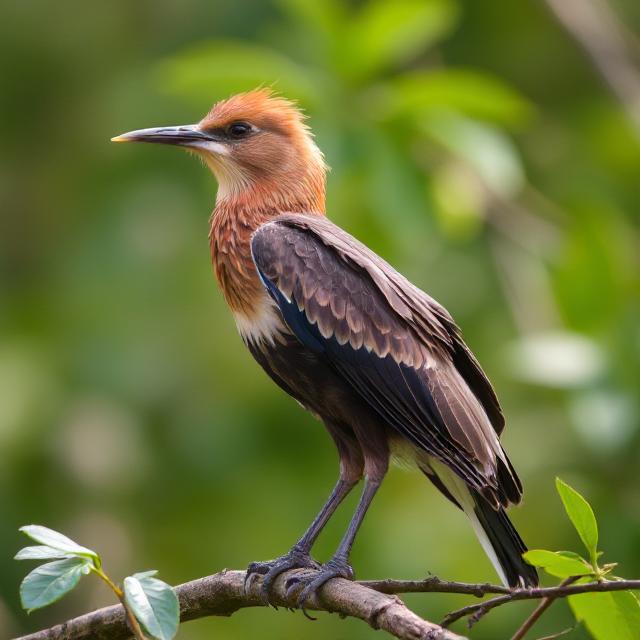
Unmasking the Intruder: Confirming an Avian Presence in Your Chimney
Before embarking on any corrective measures, the foundational step involves definitively confirming that birds are, in fact, the source of the unexpected commotion within your chimney. It is important to note that other curious creatures, such as agile squirrels, resourceful raccoons, or even nocturnal bats, possess the capability to gain entry into a chimney flue, creating similar disturbances.
The most telling indicators of birds having taken up residence in your chimney often present themselves quite clearly. The primary auditory clue is the distinctive chirping or persistent rustling sounds, frequently heard with remarkable clarity from within your living space, particularly in close proximity to the fireplace or the connected heating appliance. These sounds may noticeably increase in intensity as the birds actively construct or diligently maintain their nest. Complementing these audible cues are scratching or subtle flapping noises, which occur as the birds navigate the confined space or attempt to take flight within the flue, their wings brushing against the liner walls. Visually, homeowners might observe visible nesting material accumulating or falling directly into the firebox – tell-tale signs such as twigs, dried leaves, straw, loose feathers, or various other forms of organic debris. Perhaps the most definitive visual confirmation involves directly observing birds repeatedly entering and exiting the chimney top, a sight most commonly witnessed during the height of late spring and early summer, coinciding with typical nesting seasons. While less common than for other types of wildlife, a persistent, foul odor emanating from the chimney could unfortunately signal the presence of a deceased bird within the flue, requiring immediate attention.
Among the various avian species, the chimney swift stands out as the most common and notorious architect of chimney nests. These fascinating migratory birds are a federally protected species, globally recognized for their unique habit of constructing their cup-shaped nests vertically against the rough inside walls of chimneys, using only their sticky saliva as a powerful adhesive for twigs. While less prevalent, other avian species such as starlings or house sparrows might also occasionally utilize chimneys for nesting purposes. Understanding the specific species, particularly if it’s protected, is a critical first step in determining the appropriate response to how to get birds out of a chimney.
The Hidden Perils: Why a Bird’s Nest in Your Chimney is a Serious Concern
While the notion of a small bird’s nest might evoke a sense of harmless innocence, its presence within your chimney system introduces a series of significant and multifaceted risks that no homeowner should overlook. These dangers extend far beyond mere inconvenience:
The foremost concern is a severe fire hazard. Bird nests, being almost exclusively constructed from highly combustible organic materials like dry twigs, leaves, and straw, represent an immediate and grave risk. Should you unknowingly ignite a fire in your fireplace or wood stove with an active or even an old, dormant nest within the flue, it can instantaneously ignite. This can swiftly escalate into a dangerous and uncontrollable chimney fire, which, as previously noted, carries the immense potential to spread rapidly to other structural components of your home, threatening lives and causing extensive property damage. This risk is profoundly magnified if the nest creates a substantial blockage, leading to a dangerous accumulation of heat in the chimney system.
Compounding the fire risk is the insidious threat of carbon monoxide (CO) poisoning. A nest, or even the tragic presence of a deceased bird, can create a partial or complete blockage within your chimney. This obstruction critically impedes the proper venting of smoke and other dangerous combustion gases, including the highly toxic carbon monoxide. As carbon monoxide is both odorless and colorless, its accumulation due to a blocked chimney can go undetected, making it a potentially fatal hazard within your home. Furthermore, a significantly blocked flue will inevitably lead to smoke backdrafting directly into your living spaces when you attempt to use your fireplace, filling the room with dense smoke, soot, and an undeniable acrid smell.
Beyond these immediate safety concerns, an active or abandoned nest can contribute to unpleasant odor and pest issues. The decaying organic matter from nests, combined with accumulated bird droppings or the unfortunate presence of a deceased bird, can generate persistent and deeply unpleasant odors that permeate your entire home. Moreover, these organic materials and animal waste can attract secondary pests, such as various types of insects, which may then infiltrate your chimney and potentially migrate into your living areas.
Structurally, the introduction of moisture, nesting materials, and corrosive droppings from birds can accelerate the deterioration of your chimney liner and internal masonry over time. This corrosive effect can weaken the chimney structure, leading to costly repairs down the line. Lastly, it is important to acknowledge the inherent health risksassociated with bird droppings, which can harbor various diseases and parasites that pose a risk to human health, particularly if the droppings fall into living spaces or during direct exposure during any misguided attempt at DIY removal. Addressing how to get birds out of a chimney thus becomes a critical health and safety imperative.
Navigating the Removal: Humane and Effective Strategies for Avian Intrusion
The appropriate and responsible approach to removing birds from your chimney is critically dependent on two key factors: whether the nest is currently active (meaning it contains eggs or vulnerable young birds) and the specific species of bird involved. It is paramount to remember a vital legal distinction: chimney swifts are federally protected migratory birds. This legal status unequivocally dictates that it is illegal to disturb or remove their nests, eggs, or young once they are present. In such cases, strict adherence to the law means you must patiently wait until the young have naturally fledged and vacated the nest, typically by late summer or early fall.
The Mandated Waiting Period: When Patience is the Only Option
If you harbor any suspicion whatsoever that the birds inhabiting your chimney are chimney swifts, or if there are any discernible signs of active eggs or fragile baby birds (such as the distinct, continuous chirping of young or the consistent sight of adult birds flying in and out with food deliveries), then you are legally obligated to wait.
The typical duration for chimney swifts to construct nests, incubate eggs, and successfully fledge their young ranges from approximately 4 to 6 weeks. It is generally considered safe and legal to assume the nest is entirely empty by late summer or early fall, usually around August or September, depending on your specific geographical region and the local nesting patterns. During this waiting period, a crucial directive is to absolutely refrain from using your fireplace or any connected heating appliance. Introducing heat, smoke, or combustion gases into the flue while birds are present can tragically kill the birds and simultaneously create an immediate and severe fire hazard due to the combustible nesting materials. To prevent any birds from inadvertently falling directly into your home, ensure your fireplace damper is closed tightly. If your fireplace lacks a functional damper, or if birds are bypassing it, it is highly advisable to securely cover the fireplace opening with a heavy tarp, a piece of plywood, or another robust barrier. Once all sounds of chirping and activity have ceased completely for several consecutive days, it provides a strong indication that the nest is finally empty.
Gentle Persuasion: Encouraging Vacating Without an Active Nest
In scenarios where you are absolutely certain that only adult birds are present and there is no active nest (for instance, very early in spring before nesting begins, or late in the fall well after any young have fledged), you may cautiously attempt to encourage them to leave on their own.
Begin by opening your fireplace damper fully. Birds are naturally attracted to light, so turning on bright lights in the room where the fireplace is located and concurrently darkening other areas of your home might gently encourage them to fly towards the open fireplace and then, ideally, out through an open window or door. You might also try making gentle, consistent noises such as soft clapping or playing quiet music; these subtle disturbances might encourage them to move upwards and out. It is critically important to never resort to force – under no circumstances should you attempt to smoke them out, spray them with water, or poke them with poles. Such actions are inhumane, deeply stressful and dangerous for the birds, and carry a high risk of damaging your chimney’s delicate internal structure.
The Professional Hand: Essential for Removal (Post-Nesting Season or Non-Protected Species)
Once you have definitively ascertained that the nest is inactive (meaning completely empty of birds, eggs, and young) or if the intruding birds are positively identified as a species not protected by law, engaging a professional chimney technician becomes the safest and most profoundly effective method for thorough nest removal and subsequent chimney cleaning.
Why trust a professional? Certified chimney sweeps possess specialized tools, which include custom-designed brushes, powerful vacuums equipped with HEPA filters, and advanced camera systems that allow for precise internal inspection. These tools enable them to safely and comprehensively remove even large and dense nests and all associated debris without inflicting damage upon your chimney flue liner. Following nest removal, they can perform a full and rigorous inspection to ensure no underlying damage was caused by the avian inhabitants or their activities, and that the chimney is entirely clear and safe for use.
A word of strong caution regarding Do-It-Yourself (DIY) attempts: Attempting to remove a bird’s nest from your chimney yourself can be surprisingly difficult, exceptionally messy, and potentially quite dangerous. Chimney nests can be far larger and denser than they appear, making manual removal challenging. You might inadvertently push the nest further down, inadvertently get it stuck more firmly, or expose yourself to harmful dust and airborne particles, including potential pathogens.
Proactive Defense: The Ultimate Strategy to Prevent Future Intrusions
The most effective and sustainable strategy for entirely avoiding the recurring problem of how to get birds out of a chimney is to proactively prevent their entry in the first place. This simple yet highly effective measure will save you future headaches, expenses, and potential safety risks.
The definitive long-term solution lies in the installation of a high-quality chimney cap equipped with sturdy mesh or screening. A properly designed and installed chimney cap serves as an impermeable physical barrier, effectively preventing not only birds but also squirrels, raccoons, bats, falling leaves, and other assorted debris from entering your flue. It is absolutely crucial to ensure the cap features a robust mesh or screening around its perimeter, designed with openings small enough to prevent even small birds or determined rodents from squeezing through. Beyond its primary function as an animal deterrent, a well-fitted chimney cap offers a multitude of additional benefits: it comprehensively protects your flue from the corrosive effects of rain and snow (which are significant contributors to internal masonry deterioration) and often acts as a reliable spark arrestor, preventing hot embers from escaping the chimney and potentially igniting your roof or surrounding vegetation. When considering installation, it is imperative to select a cap that simultaneously allows for proper ventilation and is installed correctly to avoid inadvertently hindering the chimney’s crucial natural draft.
Beyond the installation of a cap, incorporating regular annual chimney inspections into your home maintenance routine is also incredibly important. A professional chimney sweep can, during these inspections, identify any potential vulnerabilities or existing entry points, spot early signs of nesting activity, or detect damage to existing caps before these issues escalate into significant, costly, or dangerous problems.
Secure Your Home: Partnering with the Experts at chimneyofamerica.com
Dealing with birds in your chimney is often a complex and sensitive issue, especially when protected species are involved, or if you are uncertain about the extent or nature of a potential blockage. Understanding precisely how to get birds out of a chimney safely and effectively requires specialized knowledge, appropriate tools, and a commitment to humane practices. Attempting to force them out or improperly remove nests can result in harm to the birds, damage to your chimney, and create immediate safety hazards for your home.
At chimneyofamerica.com, we are dedicated to offering comprehensive and humane chimney services meticulously designed to address all your chimney-related concerns with unparalleled expertise. Our team of highly certified technicians are not only experts in the safe and ethical removal of bird nests (adhering strictly to legal guidelines regarding protected species) but also excel in thorough chimney cleaning, detailed system inspections, and the professional installation of durable, high-quality chimney caps designed to prevent any future avian intrusions. We steadfastly prioritize your home’s safety and well-being, alongside a deep commitment to the ethical treatment of local wildlife.
Do not allow the risk of a dangerous chimney fire, insidious carbon monoxide exposure, or costly structural damage to linger. If you suspect birds or any other animal has unfortunately taken up residence in your chimney, or if you are ready to invest in the long-term protection of a robust chimney cap, trust the unmatched expertise of our professionals. Call us today at 888-338-0043 or visit chimneyofamerica.com to swiftly schedule an inspection or service. We are committed to responding to your inquiry ASAP, ensuring your chimney is safe, impeccably clear, and optimally ready for use, providing you with complete peace of mind.