
The word chimney is a term we use almost daily—especially in colder climates where fireplaces are common household features. But have you ever paused to ask: how did chimney get its name ; The answer lies in a fascinating blend of history, language evolution, and architectural development. In this article, we’ll explore the origins of the word chimney, its evolution over centuries, and how this essential structure became so central to homes across the world.
What Is a Chimney?
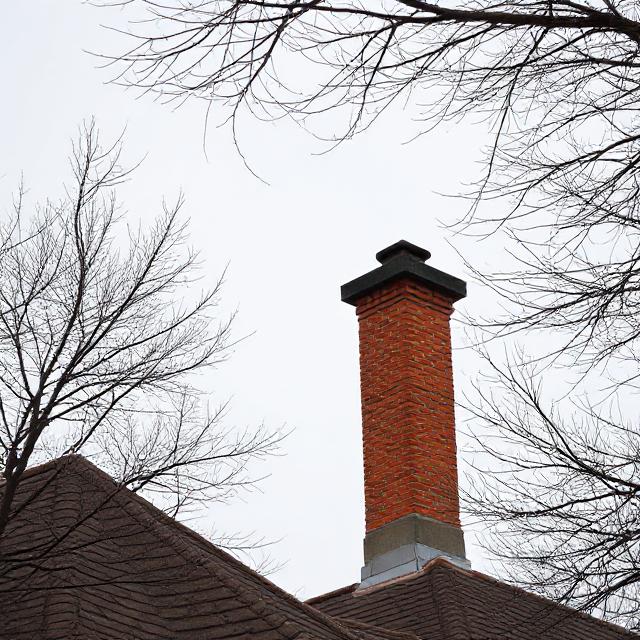
Before diving into the history, it’s worth defining what a chimney is. A chimney is a vertical structure, typically built from brick, stone, or metal, designed to vent smoke, gases, and hot air from fireplaces, stoves, or furnaces to the outside atmosphere.
Chimneys are crucial for both home safety and indoor air quality. Without them, smoke and carbon monoxide could accumulate indoors, leading to hazardous conditions.
Now that we understand what a chimney does, let’s look at the word itself: where did it come from, and why do we call it a “chimney”?
The Etymology of “Chimney”
The origin of the word “chimney” dates back to the Old French word “cheminée”, which was derived from the Latin word caminus, meaning “furnace” or “fireplace.” Here’s a breakdown of the etymological journey:
- Latin: “Caminus” – meaning furnace or forge.
- Vulgar Latin: “Caminata” – a room with a fireplace.
- Old French: “Cheminée” – evolved to refer to both the fireplace and the flue above it.
- Middle English: “Chimenee” or “Chymeney” – gradually anglicized into the modern word “chimney.”
Why Did “Cheminée” Turn Into “Chimney”?
Language evolves over time, especially when words move from one language to another. As the Normans brought French into England after the 1066 Norman Conquest, many French terms were integrated into English. “Cheminée” was among them, and as it entered Middle English, its pronunciation and spelling shifted due to regional dialects and phonetic preferences.
Eventually, “chimney” became the standard English spelling and pronunciation.
From Fireplace to Flue: The Changing Meaning of Chimney
Interestingly, the original meaning of the word chimney was not just the vertical smoke shaft we associate with the term today. In Old French, cheminée referred to the entire fireplace—including the hearth and the flue.
Over time, particularly in English, the meaning narrowed to specifically refer to the vertical structure that vents smoke. This semantic narrowing likely occurred as architectural designs advanced, separating the visible fireplace from the inner workings of the chimney.
Today, we distinguish between:
- Fireplace – the open structure in a room where a fire burns.
- Chimney – the flue or shaft that carries the smoke outside.
So, while in modern usage these are separate terms, they both once fell under the umbrella of cheminée.
The Evolution of Chimneys in Architecture
Early Heating Methods
In early human history, fire pits or central hearths inside huts or homes provided heat and cooking facilities. There was no flue or chimney—smoke simply escaped through holes in the roof or eaves. These primitive homes were often smoke-filled and uncomfortable.
Roman Innovation
The Romans were among the first to innovate indoor heating systems. While they didn’t use chimneys in the modern sense, they created hypocaust systems—underfloor heating powered by fire. Some Roman homes did incorporate flues built into the walls to carry smoke out, an early form of chimney design.
Medieval Chimneys
By the 12th century, more recognizable chimneys began appearing in European castles and larger homes. These early chimneys were often large stone or brick structures that helped vent smoke from grand fireplaces below.
As the word cheminée became commonplace in French and eventually English-speaking areas, it referred to these impressive structures that symbolized wealth and technological advancement.
The Spread of Chimneys in Common Homes
It wasn’t until the 16th and 17th centuries that chimneys became standard in everyday homes in Europe and North America. With advancements in brick-making and construction techniques, smaller homes could now afford to include chimneys.
This shift also helped solidify the term “chimney” in everyday language. It was no longer a luxury or aristocratic addition—it was a standard feature of most dwellings.
Chimneys in Popular Culture and Literature
The chimney also took on symbolic and cultural significance over the centuries. For example:
- Santa Claus famously uses the chimney as his point of entry on Christmas Eve, a tradition dating back to 19th-century literature and art.
- In Victorian England, chimney sweeps became a common sight, and were even immortalized in songs and stories—like Mary Poppins’ “Chim Chim Cher-ee.”
These cultural associations helped embed the word “chimney” further into common usage and imagination.
Modern Chimneys and Language Legacy
Today, chimneys may not be as central to home life as they once were—thanks to central heating systems and modern ventilation—but they remain important in homes with fireplaces, wood stoves, and certain industrial applications.
The name “chimney” lives on, not just as a functional term, but as a reminder of architectural evolution and linguistic heritage.
Fun Facts About the Word Chimney
- The word “chimney” is one of many English words with Latin roots, funneled through French.
- In some dialects of English, especially older or rural ones, chimney is pronounced “chimbley” – an example of folk etymology and dialect evolution.
- In architecture, the chimney stack refers to the part of the chimney above the roofline, while the flue is the inner passage through which smoke escapes.
Conclusion: So, How Did Chimney Get Its Name?
To summarize: the word “chimney” has its roots in Latin (caminus), meaning furnace, passed through Old French(cheminée), meaning fireplace, and entered Middle English as “chimenee,” eventually evolving into the word we use today.
What began as a word for a room with a fireplace gradually became associated with the venting structure itself. This semantic shift mirrors changes in architecture, technology, and everyday life, making the word “chimney” a perfect example of how language and culture evolve hand in hand.
So next time you see a wisp of smoke curling from a rooftop, or hang stockings on the mantel, you’ll know exactly how the chimney got its name—and why it matters.