
The comforting glow of a fireplace is a cornerstone of many homes, offering warmth and ambiance that few other features can match. Yet, this cherished amenity comes with a crucial responsibility: ensuring its safety and optimal function through regular maintenance. A question that consistently arises among homeowners is precisely how often to clean a chimney. The answer is not a simple annual dictate but rather a nuanced calculation influenced by your specific usage, the type of fuel you burn, and the overall condition of your heating system. This comprehensive guide from chimneyofamerica.com is designed to clarify the ideal chimney cleaning frequency, empowering you with the knowledge to protect your home and enhance the efficiency of your fireplace.
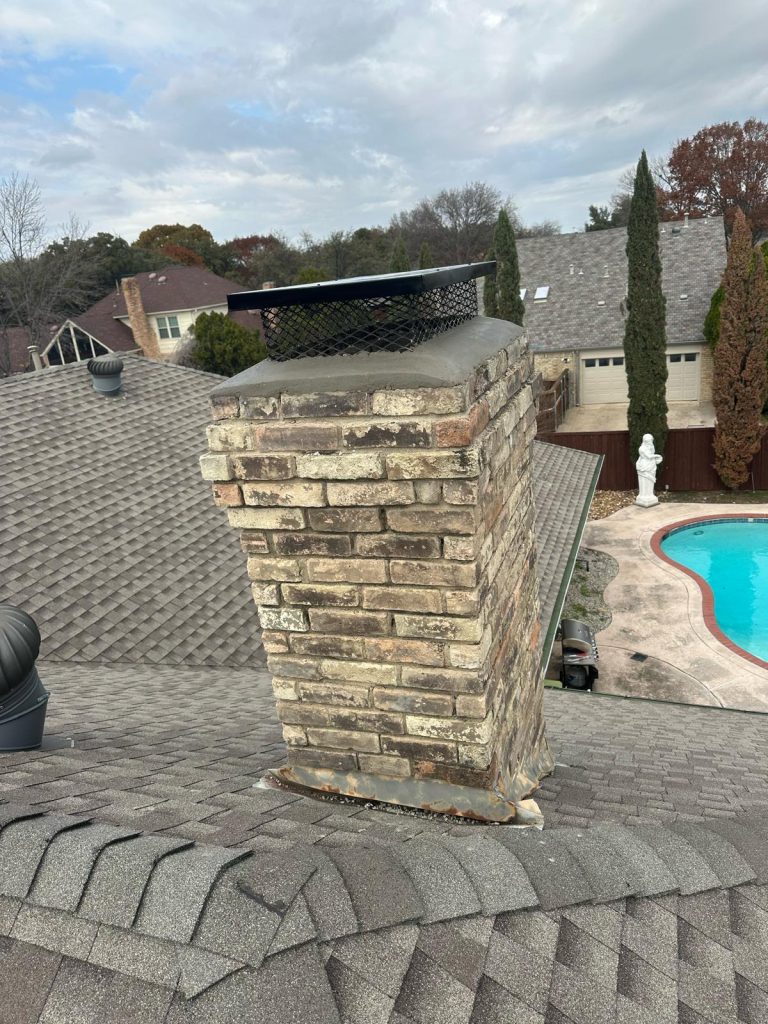
Why Consistent Chimney Cleaning is Critical for Your Home’s Safety
Understanding how often to clean a chimney begins with recognizing the profound importance of this task. When you burn wood or any solid fuel, the combustion process releases a complex blend of unburnt particles, gases, and volatile organic compounds. As these byproducts ascend your chimney flue, they cool and condense onto the inner walls, forming a dark, highly flammable residue known as creosote. The accumulation of creosote is the single greatest threat to your chimney’s safety.
Creosote is exceptionally combustible. Its presence transforms your chimney into a significant fire hazard. Even a tiny spark, carried upward by the natural draft, can ignite accumulated creosote, leading to an intensely hot and destructive chimney fire. These fires are not merely contained; they can severely damage the chimney structure, compromise the integrity of the flue liner, and even rapidly spread to other parts of your home, posing dire risks to life and property. Regular, professional cleaning is the most effective defense against this danger, systematically removing this perilous buildup.
Beyond the immediate threat of fire, an uncleaned chimney presents another insidious danger: carbon monoxide (CO) poisoning. Creosote, along with other potential obstructions such as animal nests, fallen leaves, or deteriorating mortar, can severely restrict the flow of exhaust gases. When the chimney is blocked, toxic fumes, including the colorless and odorless carbon monoxide, cannot properly vent outside. Instead, they back up into your living spaces, leading to a potentially fatal accumulation. A clean, unobstructed chimney ensures clear pathways for these hazardous gases, maintaining safe indoor air quality and protecting your family from a silent killer.
Furthermore, a chimney laden with creosote and debris operates inefficiently. Restricted airflow due to buildup forces your heating appliance to work harder, demanding more fuel to produce less heat. This not only wastes energy and money but also contributes to greater air pollution. By maintaining a clean flue, you optimize the draft, allowing your fire to burn more efficiently, generating more warmth with less fuel, and prolonging the life of your heating system. A clear understanding of how often to clean a chimney therefore translates directly into a safer, more efficient, and more economical home heating experience.
Key Factors Influencing How Often to Clean a Chimney
While the National Fire Protection Association (NFPA) Standard 211, the authoritative guide for all aspects of chimney systems, strongly recommends an annual inspection for every chimney, the actual need for cleaning can vary considerably. Determining how often to clean a chimney is not a fixed schedule but rather a dynamic assessment influenced by several critical variables:
Fuel Type and Usage Habits: The Primary Indicators
The type of fuel you burn is arguably the most significant determinant of creosote accumulation. Wood-burning fireplaces and stoves are by far the largest producers of creosote. If you utilize your wood-burning appliance as a primary heat source, operating it daily throughout the colder months, creosote will accumulate rapidly. Such heavy usage scenarios often necessitate cleaning multiple times within a single heating season, potentially every few months. Conversely, a fireplace used sparingly for occasional ambiance might only require cleaning every other year, provided annual inspections consistently confirm minimal buildup.
The type of wood burned also plays a crucial role. Properly seasoned hardwoods, such as oak, maple, and ash, which have been dried for at least six to twelve months to achieve a moisture content below 20%, burn hotter and more completely, yielding significantly less creosote. In stark contrast, unseasoned or “wet” wood is a prolific creosote generator. Its high moisture content causes it to burn at a lower temperature, producing excessive smoke and a particularly sticky, hazardous form of creosote known as glazed creosote. Burning unseasoned wood dramatically increases the frequency with which you will need to clean your chimney. Even softwoods like pine and fir, while often more readily available, contain higher resin content and, if not thoroughly seasoned, can contribute to rapid creosote accumulation.
Your specific burning habits further influence the rate of buildup. Smoldering fires, often achieved by significantly restricting the air supply to prolong a burn, are highly inefficient and produce vast amounts of creosote. These low-temperature, oxygen-starved burns are the worst culprits for rapid accumulation. Conversely, hotter, more vigorous fires with ample airflow promote more complete combustion and minimize creosote formation.
For those utilizing pellet stoves, while generally cleaner burning than traditional wood stoves due to the consistency and efficiency of pellets, creosote and ash can still accumulate. A common guideline suggests cleaning a pellet stove chimney annually or after burning approximately one ton of pellets, whichever milestone is reached first.
Gas fireplaces, whether natural gas or propane, present a different scenario. They produce virtually no creosote. However, their chimneys can still accumulate soot, dust, spiderwebs, and be vulnerable to blockages from external elements like bird nests or structural debris. Therefore, an annual inspection remains critical to ensure proper venting, verify the integrity of the flue, and confirm the absence of obstructions. Similarly, chimneys venting oil furnacesaccumulate a specific type of soot and residue, necessitating annual inspection and cleaning to maintain efficiency and prevent hazardous blockages.
Recognizing the Warning Signs: Immediate Indicators Your Chimney Demands Attention
Beyond a general understanding of how often to clean a chimney based on usage patterns, your chimney system will often provide clear signals when it demands immediate professional attention. Paying heed to these crucial warning signs can prevent a minor issue from escalating into a dangerous emergency:
- Pungent Odors: A strong, distinct, and unpleasant odor emanating from your fireplace, often described as tar-like or acrid, particularly noticeable during warm or humid weather, is a strong indicator of significant creosote buildup.
- Smoke Backdrafting into Your Home: This is perhaps the most alarming symptom. If smoke consistently billows back into your living space when you light a fire, it clearly indicates a severe blockage or an inadequate draft within the chimney, requiring immediate professional intervention.
- Visible Creosote or Soot Flakes: Conduct a quick visual check. If you can clearly see a thick layer of black, flaky, or tarry substance coating the inside of your chimney when looking up from the firebox with a flashlight, or if black flakes are consistently falling into your fireplace, cleaning is unequivocally overdue. The NFPA guideline explicitly recommends cleaning when creosote accumulates to 1/8 inch or more in thickness.
- Difficulty Starting or Maintaining a Fire: A properly functioning chimney creates a strong draft that helps ignite and sustain a fire. If you find yourself struggling to get a fire started, or if it consistently dies out, it could be a sign of a restricted flue.
- Discolored or Sooty Appliance Parts: A noticeable blackening or accumulation of soot around your damper, fireplace opening, or the glass doors of a wood stove indicates that exhaust is not being fully drawn up the chimney, strongly suggesting a need for cleaning.
- Unusual Burning Sounds: While rare, a subtle “rumbling” or “popping” sound emanating from the chimney when a fire is lit can sometimes indicate a very small, contained creosote ignition – a potential precursor to a larger chimney fire.
Beyond Cleaning: The Unwavering Importance of Annual Professional Inspections
While the question of how often to clean a chimney correctly focuses on managing creosote and blockages, it is imperative to distinguish cleaning from a comprehensive professional inspection. As stipulated by the NFPA, all chimneys should undergo an annual inspection by a qualified professional, regardless of how frequently they are used or how recently they were cleaned. This annual check-up is a non-negotiable part of responsible home maintenance.
A professional chimney inspection goes far beyond simply removing soot and creosote. During an inspection, a certified technician will:
- Accurately Assess Creosote Levels: They will meticulously determine the extent of creosote buildup, precisely advising if cleaning is immediately necessary, even if it’s not a full 1/8 inch yet.
- Identify and Remove Blockages: Professionals meticulously check for and remove any obstructions, ensuring a clear and safe passage for exhaust gases, from animal nests to debris.
- Examine Structural Integrity: This is critically important. Professionals meticulously inspect the chimney’s physical structure, including the flue liner, mortar joints, chimney crown, cap, and flashing. They look for cracks, deterioration, water intrusion, and any other damage that could compromise safety or efficiency, potentially leading to leaks or allowing toxic gases to escape into your home.
- Evaluate Appliance Performance: For wood stoves or inserts, they thoroughly assess the condition of the appliance itself, its connection to the chimney, and its overall operational safety.
An annual inspection is your proactive defense against unforeseen problems, allowing for the identification and rectification of minor issues before they escalate into major, costly, and potentially dangerous repairs. It provides invaluable peace of mind, knowing your entire chimney system is not only clean but structurally sound and operating safely.
Partnering with Expertise: Ensuring Your Chimney’s Health with chimneyofamerica.com
Determining precisely how often to clean a chimney is a critical aspect of responsible homeownership, one that directly impacts the safety and efficiency of your heating system. While the information provided here offers invaluable guidance, the reality is that comprehensive chimney cleaning and thorough inspection demand specialized tools, expert knowledge, and rigorous adherence to safety protocols. Attempting a DIY cleaning without proper training can be both dangerous and ineffective, often failing to remove all hazardous buildup and potentially causing unintended damage.
At chimneyofamerica.com, we stand as your trusted partner in maintaining the peak performance and safety of your chimney. Our team of certified professionals possesses extensive experience and utilizes state-of-the-art equipment to deliver meticulous chimney cleaning, in-depth inspections, and expert repairs of all scopes. We understand the unique nuances of various chimney systems and are deeply committed to providing unparalleled service that protects your home and family. Don’t leave the integrity of your chimney to chance; proactive maintenance is the cornerstone of preventing emergencies. Visit chimneyofamerica.com today to schedule your next service and experience the profound peace of mind that comes with knowing your chimney is in the capable hands of America’s leading experts.